19 Winter Job Interview Outfit Colors That Look Polished
Winter job interview outfit colors are the first thing a hiring manager notices, before you say a word. The right color makes you look calm, capable and ready, and these winter job interview outfit colors do exactly that, one shade at a time.
Color matters because an interview is a first impression made in seconds. Before anyone hears your experience, they see your outfit, and the color sets the tone. A calm navy suit says you are steady and prepared. A harsh neon top says the opposite, even if your answers are perfect.
Winter adds one more layer to the decision, literally. You need a coat for the walk, a knit or blouse for the warm room, and shoes that survive the sidewalk. The good news is that winter favors the exact colors that interviews favor: deep neutrals, soft whites and muted jewel tones. This guide gives you nineteen colors that work in real interviews, for formal offices, business casual workplaces and creative teams. Each one comes with a simple way to wear it, using pieces from a normal closet.
How to Pick a Color That Works for an Interview
Start with the dress code, not the color chart. A law firm and a startup do not want the same outfit, even in the same city. Look at the people who work there, or the photos on the company website, and dress one notch above what they wear on a normal day. For a formal office, that means a matched suit. For a business casual workplace, a blazer with tailored trousers. For a creative team, smart separates with one considered accent.
Let one color lead. Every good interview outfit has a main color that covers most of the look and a second color in a smaller amount. When two strong colors fight for attention in equal amounts, the outfit looks busy and the interviewer remembers the outfit, not you. When one leads and the other supports, it looks calm and planned.
Keep the accent near your face small and soft. The color closest to your face is the one the interviewer sees most, so it should flatter your skin and never fight it. Warm skin glows in camel, cream, olive and burgundy, while cool skin looks fresh in navy, charcoal, royal blue and crisp white. If you are unsure, hold the color near your face in daylight and watch what it does to your skin.
Mind the fabric. Color looks richer in wool, ribbed knit, suede and smooth leather than it does in thin shiny fabric. A burgundy knit in a soft rib reads expensive, while the same burgundy in a thin shiny fabric reads cheap. You do not need costly fabric, just fabric with some texture and weight.
Mind the fit too. A good color falls flat when the pieces do not fit. A blazer that pulls at the buttons, a blouse that gaps at the chest, or trousers that pool at the ankle will undo the color work. Choose the size that sits cleanly on your shoulders and falls straight, and skip pieces that need constant adjusting.
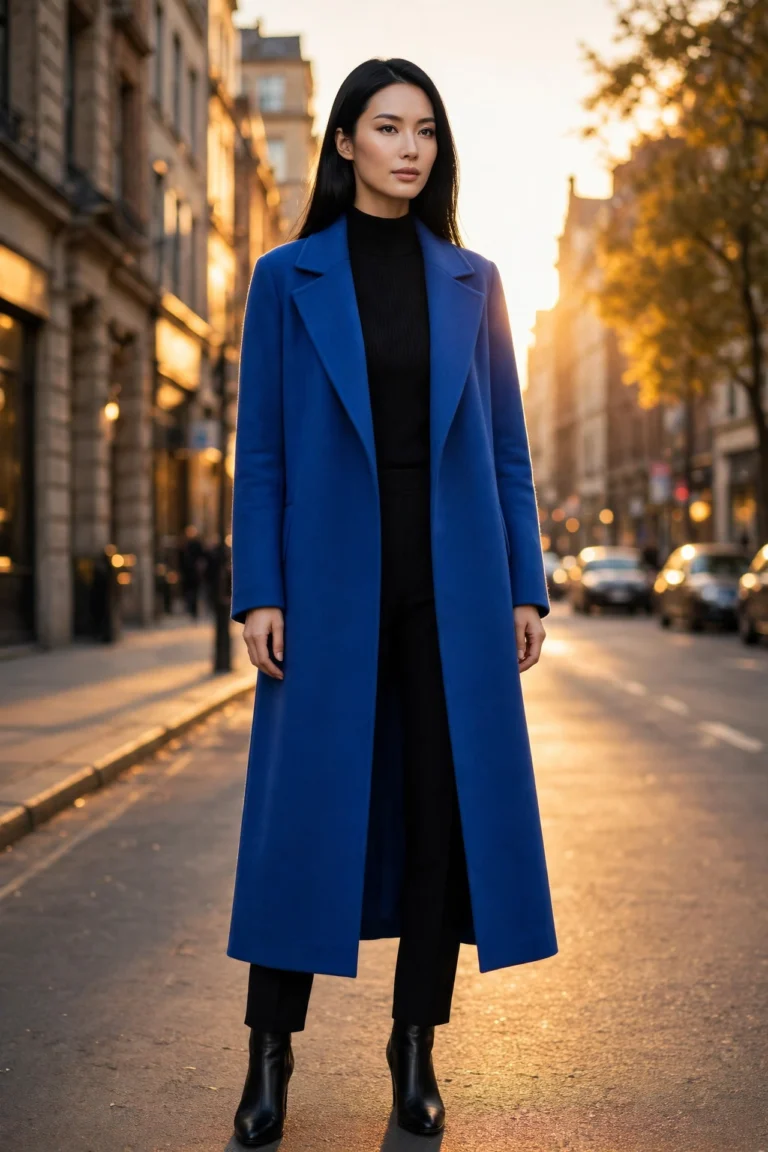
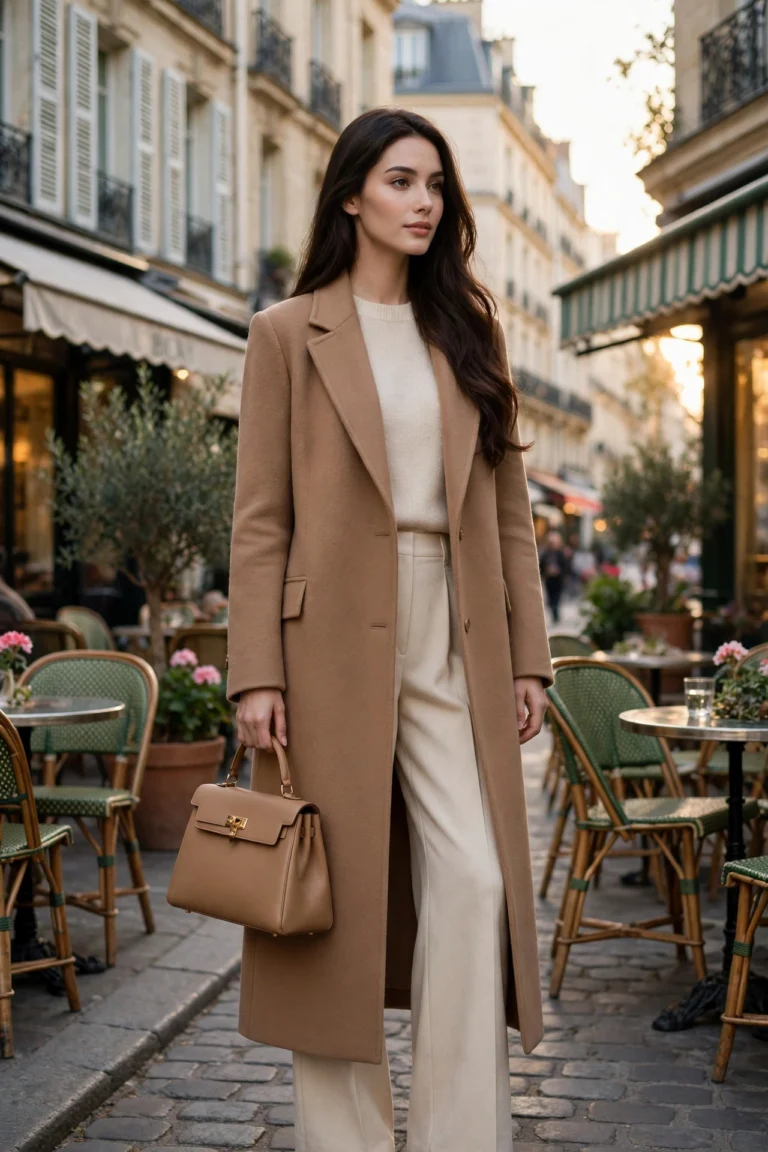
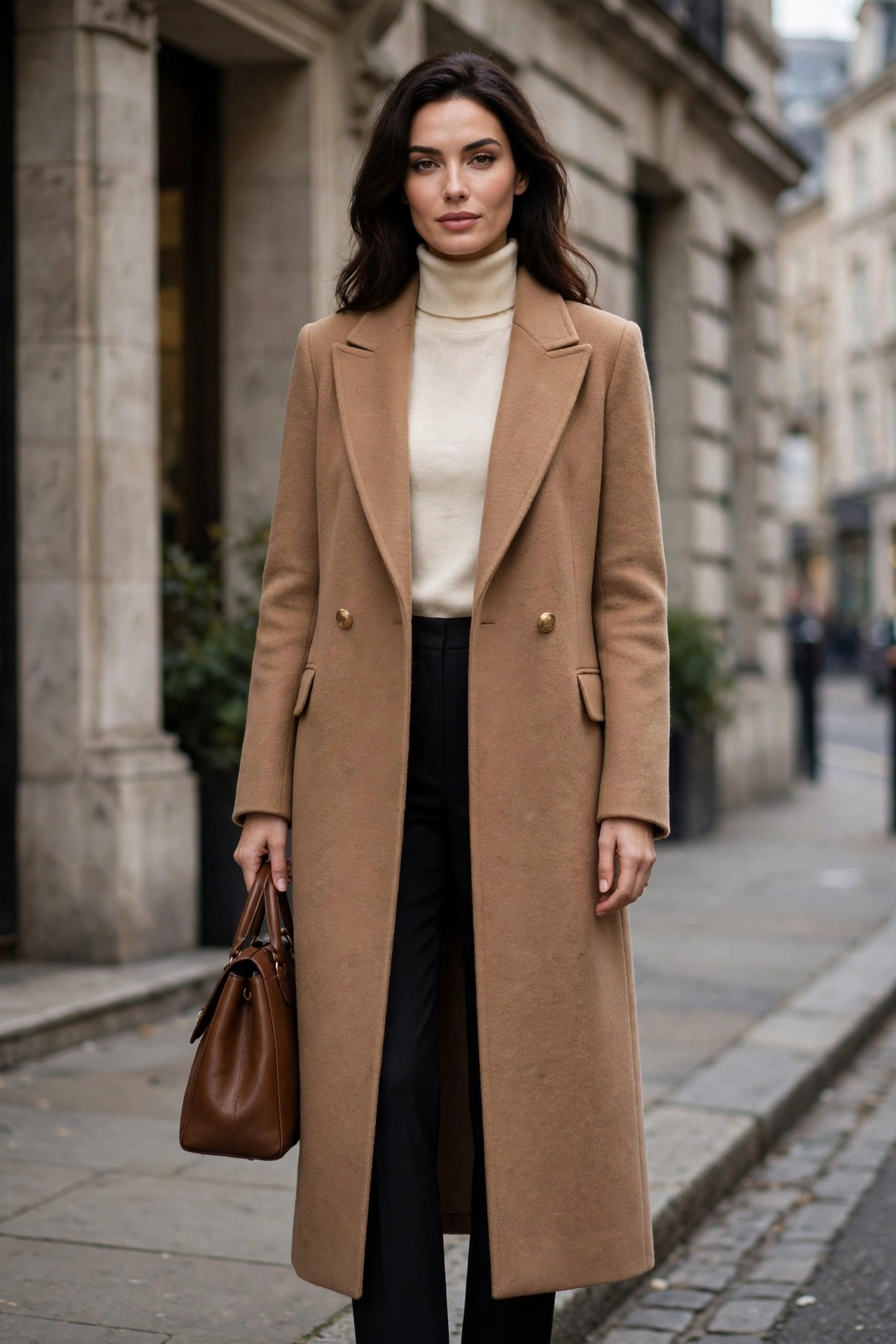
Remember the coat. In winter the coat is the first thing the interviewer sees, in the lobby and at the door. It should be clean, dark and simple, in navy, charcoal, black or camel, and long enough to cover the blazer. Hang the coat up when you arrive, change into your interview shoes if you walked in boots, and walk in looking like one decision, not three.
The 19 Colors That Look Polished
These nineteen colors cover every interview, from the most formal office to the most relaxed creative team. The first group is the safe neutrals that carry the outfit. The second group is the soft colors that sit near your face. The third group is the muted jewel tones that add personality without noise.
1. Navy
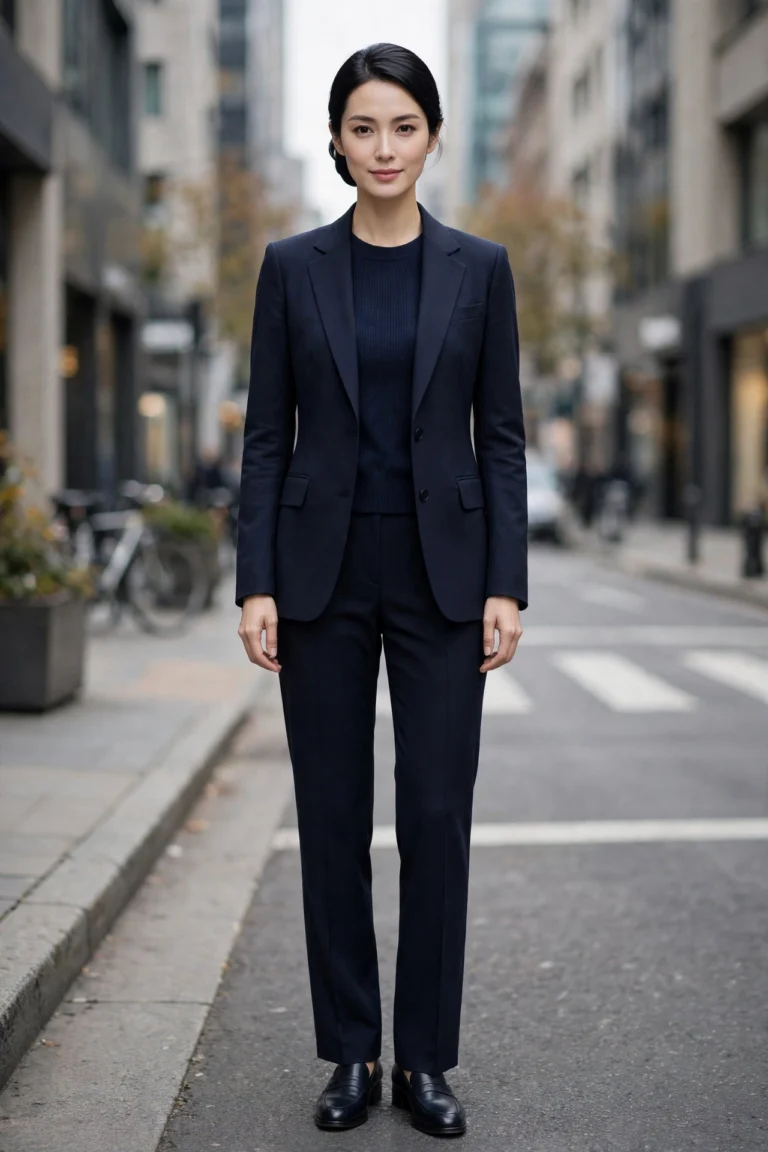
Navy is the safest interview color there is, and the one most hiring managers expect to see. It reads trustworthy, calm and capable without the severity of head to toe black, and it flatters almost every skin tone. Wear it with: a navy suit, a white or light blue blouse, dark closed toe shoes, and a navy or black wool coat.
2. Charcoal
Charcoal is navy with a cooler, more serious edge, and the better choice when you want to look senior and thoughtful. It reads competent with approachability, and it pairs beautifully with white and soft blue. Wear it with: a charcoal suit, a crisp white shirt, black closed toe shoes, and a charcoal or black wool coat.
3. Black
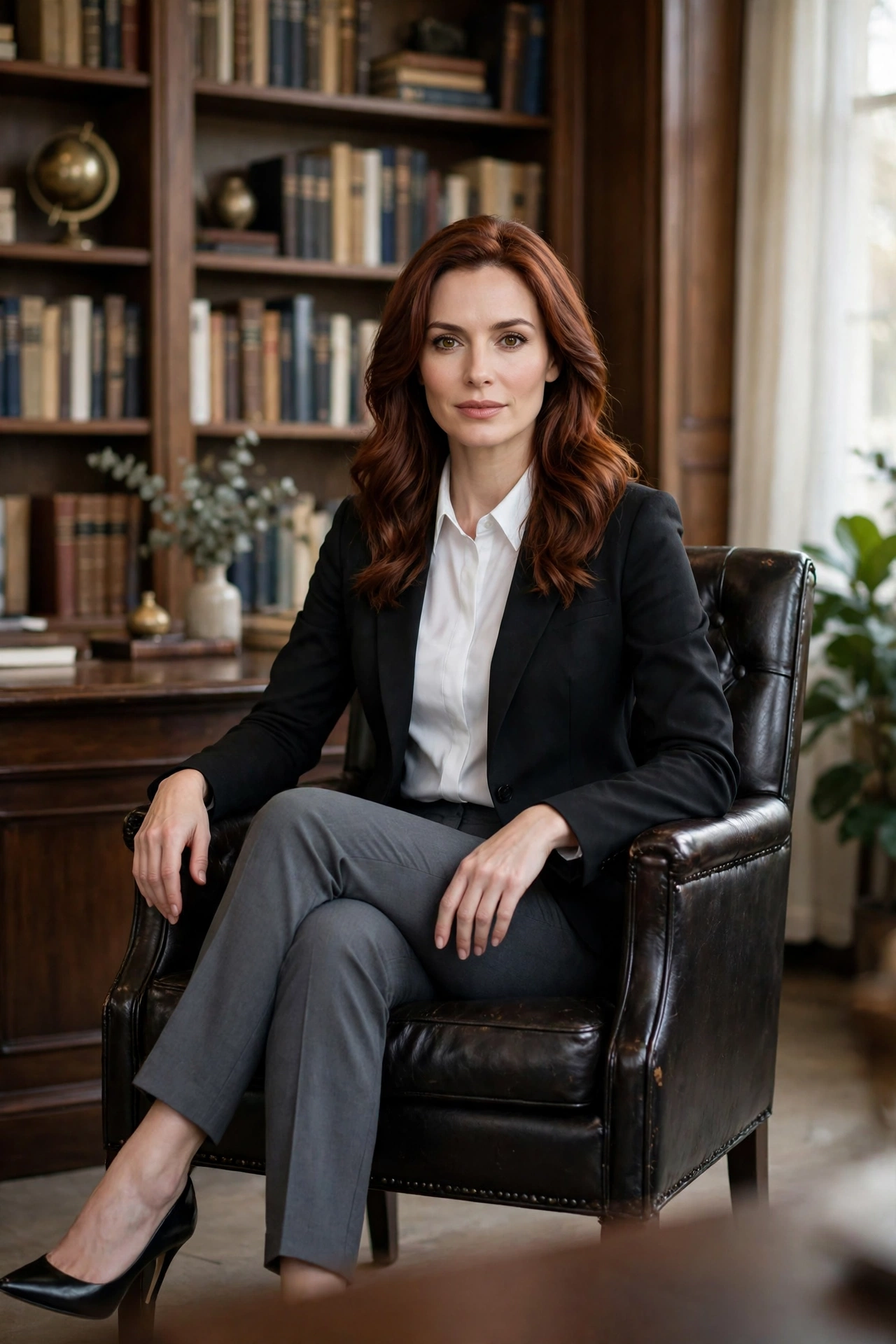
Black is powerful and classic, and the right call for formal interviews in law, finance and government. The risk is head to toe black, which can read severe, so break it up with a lighter blouse or a warm accent. Wear it with: a black blazer, a white or cream blouse, black tailored trousers, and black closed toe shoes.
4. Crisp White
Crisp white is the cleanest color you can wear near your face, and it makes every dark suit look sharper. It reads organized and precise, and it photographs beautifully under office lights. Wear it with: a white shirt or blouse, a navy or charcoal suit, simple stud earrings, and dark closed toe shoes.
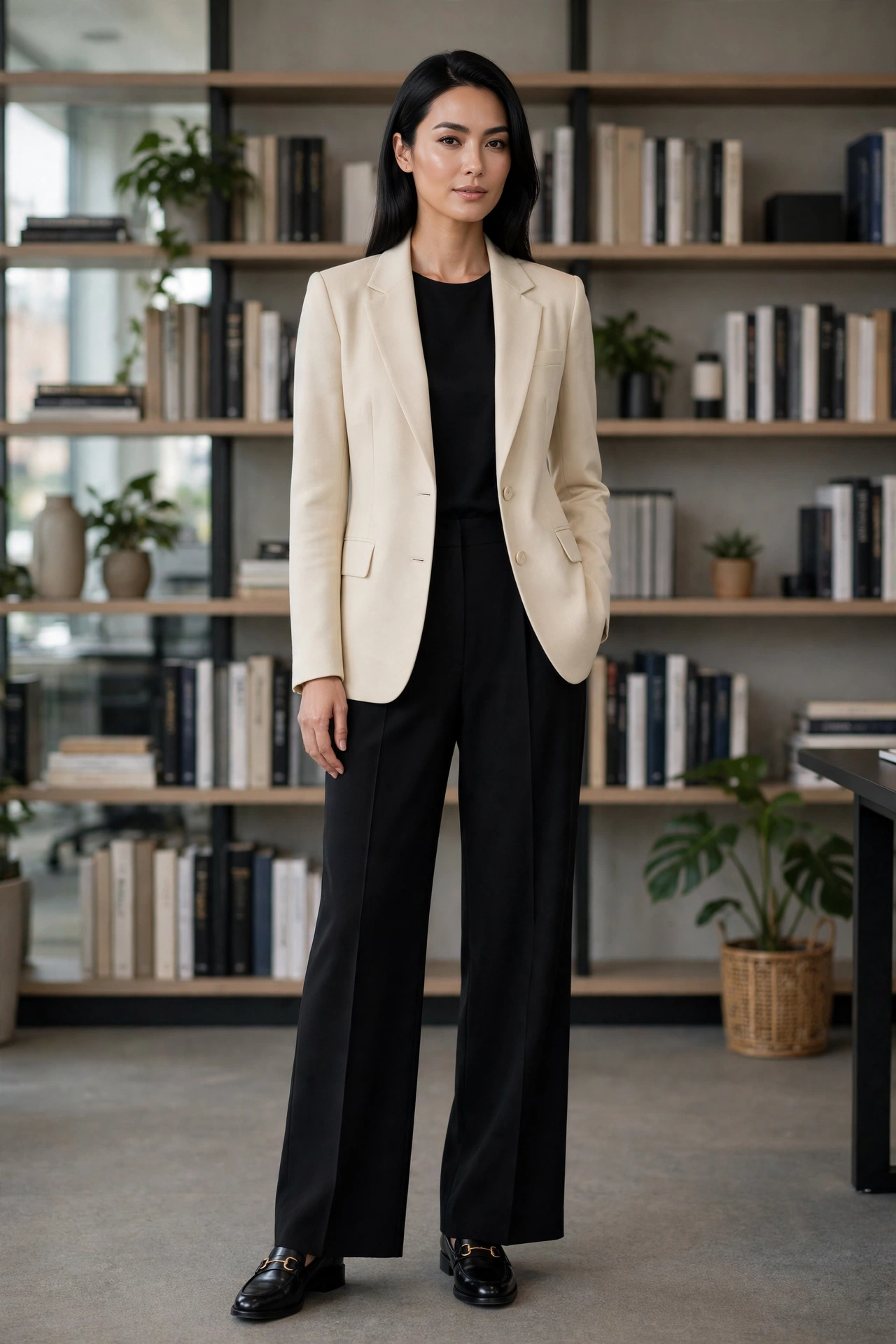
5. Cream
Cream is white with warmth, and kinder near the face than stark white for most people. It softens a dark suit and feels approachable, which helps in teaching, healthcare and client facing roles. Wear it with: a cream blouse, a navy blazer, charcoal trousers, and brown or black closed toe shoes.
6. Light Blue
Light blue is the friendliest interview color, and the one to reach for when you want to seem open and easy to talk to. It reads calm and trustworthy, and it is especially strong on video under grey winter light. Wear it with: a light blue shirt, a navy suit, dark closed toe shoes, and a navy wool coat.
7. Camel
Camel is the warmest neutral on this list, and the color that makes a dark interview outfit feel human. It reads polished and expensive in wool and cashmere, and it works best as a coat, a knit or a skirt. Wear it with: a camel wool coat, a navy suit, a cream blouse, and brown closed toe shoes.
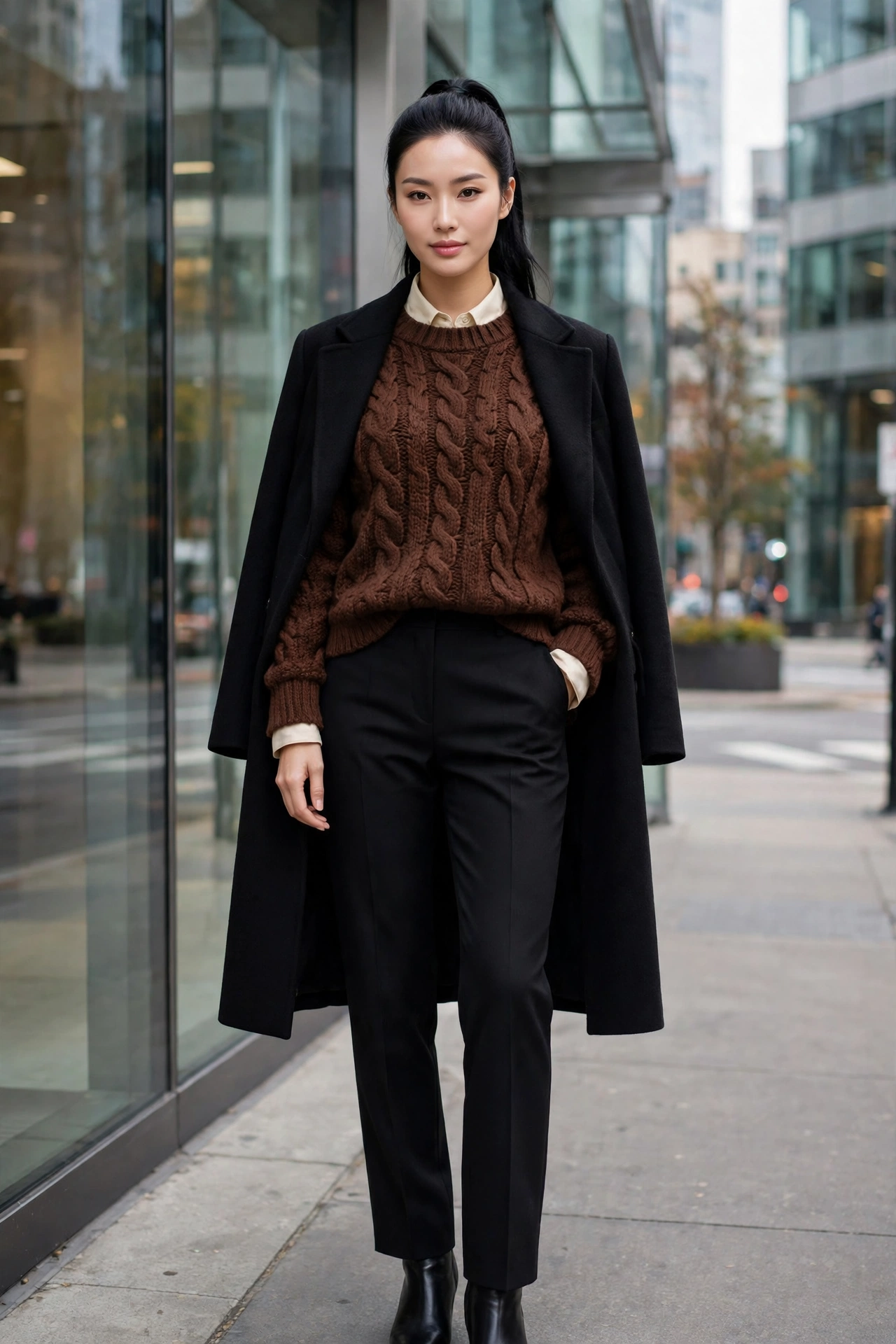
8. Chocolate Brown
Chocolate brown is a deep, rich neutral that reads warm and grounded, and a good alternative when black feels too severe. It looks wonderful in wool, suede and smooth leather, and it pairs with cream, camel and dusty blue. Wear it with: a chocolate brown blazer, an ivory blouse, dark tailored trousers, and brown closed toe shoes.
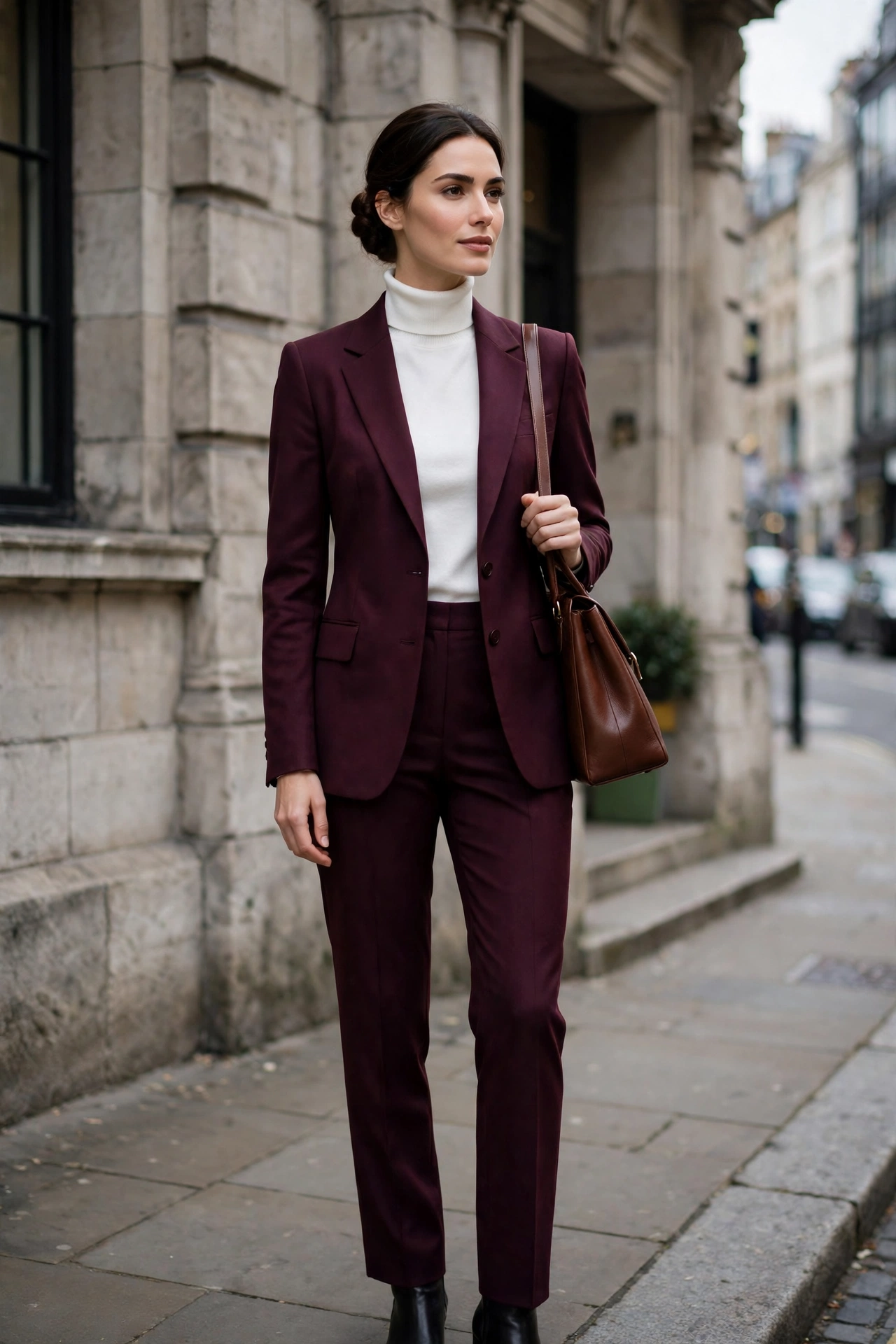
9. Burgundy
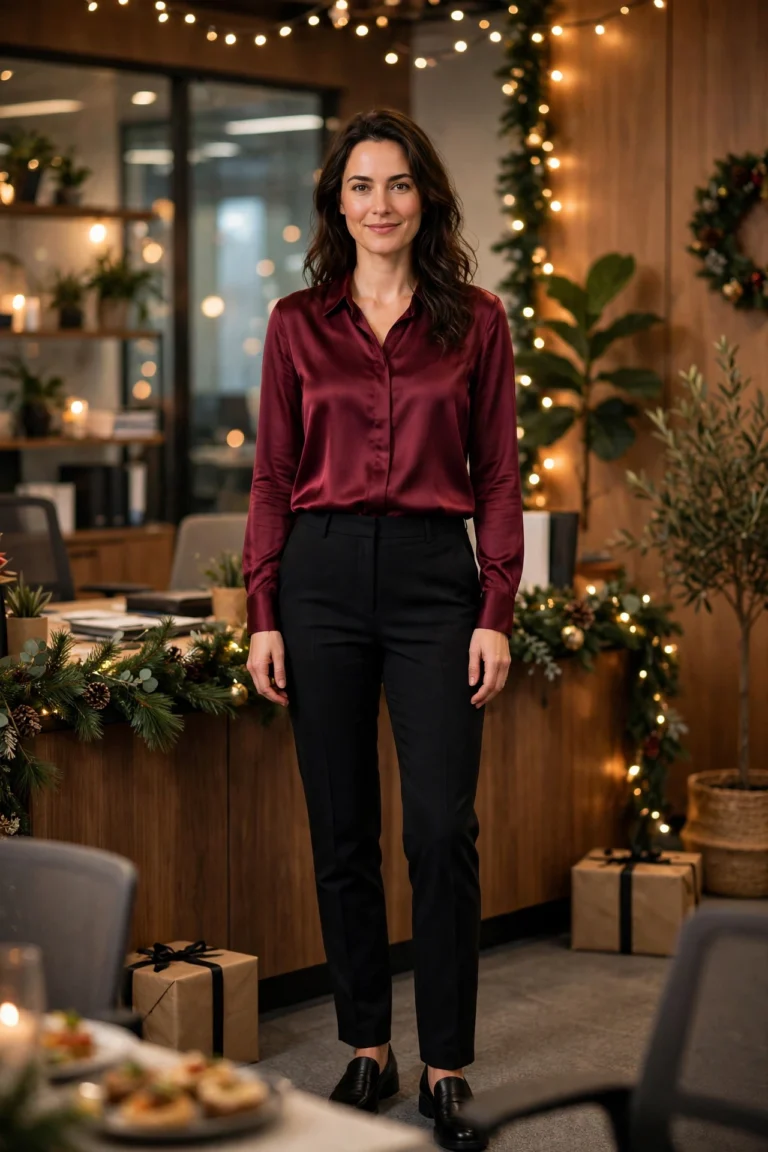
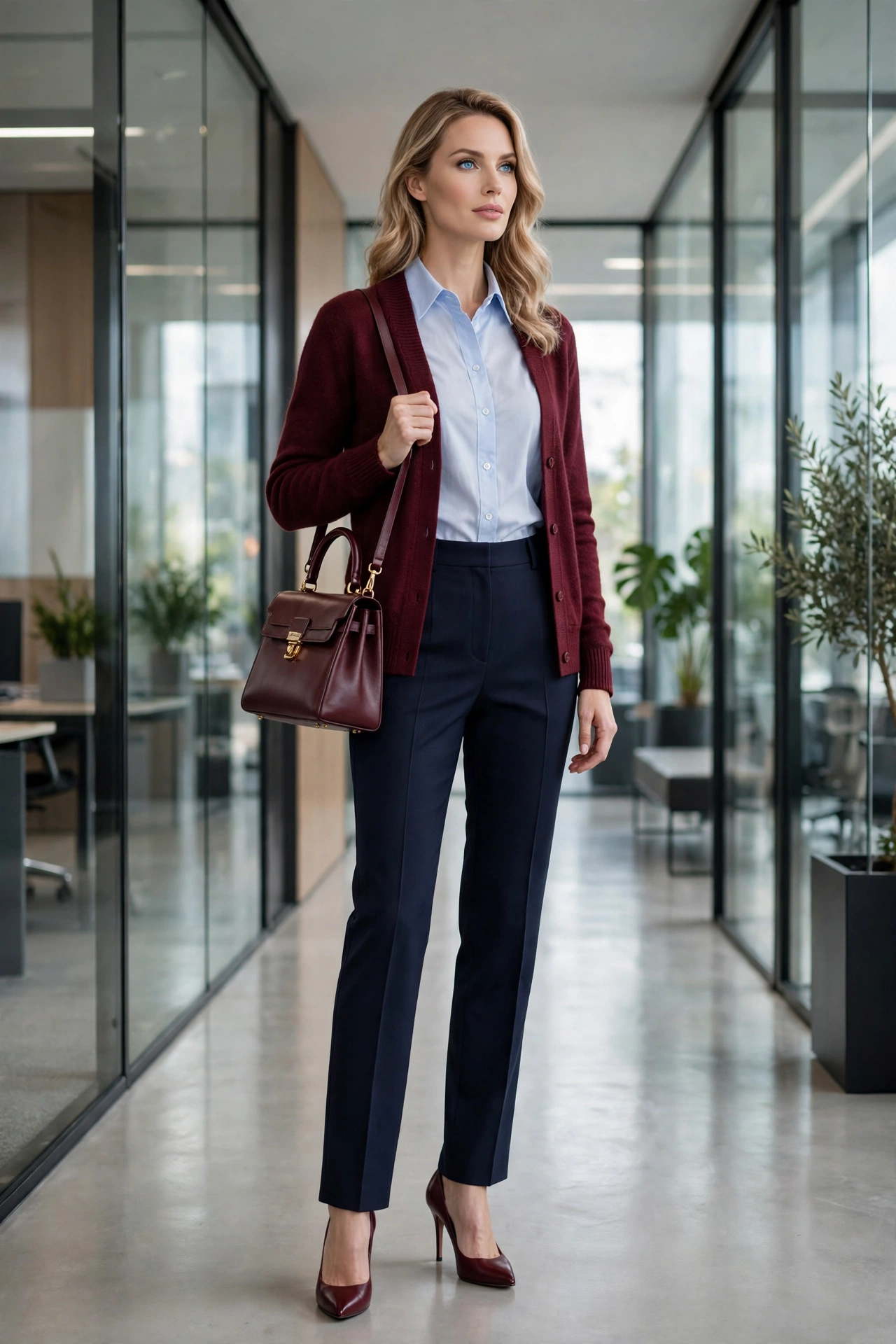
Burgundy is the most interview friendly jewel tone, confident but never loud. It reads polished and distinctive, and it works as a blouse, a knit or a dress under a dark blazer. Wear it with: a burgundy blouse, a navy blazer, charcoal trousers, and black closed toe shoes.
10. Forest Green
Forest green is a deep, calm jewel tone that reads thoughtful and grounded, and a good choice when you want color without noise. It looks rich in wool and fine knit, and it pairs with charcoal, navy, camel and cream. Wear it with: a forest green blouse, a charcoal blazer, dark tailored trousers, and black closed toe shoes.
11. Deep Teal
Deep teal is a cool blue green that feels fresh and modern next to the usual interview neutrals, and it reads confident without trying hard. Keep it muted and deep, never bright, so it stays professional in a small interview room. Wear it with: a deep teal blouse, a navy blazer, charcoal trousers, and black closed toe shoes.
12. Slate Gray
Slate gray is the mid gray between charcoal and light gray, and the most versatile suit color after navy. It reads modern and polished, and it works for tech, startups and business casual offices. Wear it with: a slate gray suit, a white blouse, dark closed toe shoes, and a charcoal wool coat.
13. Dusty Blue
Dusty blue is a soft, muted blue that reads calm and approachable, and one of the best blouse colors for an interview. It lifts a dark suit without demanding attention, and it suits cool and soft coloring near the face. Wear it with: a dusty blue blouse, a charcoal blazer, navy trousers, and black closed toe shoes.
14. Olive
Olive is an earthy, muted green that reads relaxed and thoughtful, and it works best as a knit or a blouse rather than a full suit. Keep it deep and muted, never bright, so it stays professional. Wear it with: an olive fine knit, a navy blazer, charcoal trousers, and brown closed toe shoes.
15. Plum
Plum is a deep, soft jewel tone that reads rich without feeling sweet, and a good way to add personality to a formal outfit. It works as a blouse or a knit under a dark blazer, and it pairs with charcoal, navy and black. Wear it with: a plum blouse, a charcoal blazer, dark tailored trousers, and black closed toe shoes.
16. Dusty Rose
Dusty rose is a muted blush that reads warm and friendly, and the softest color on this list. It works as a blouse under a navy or charcoal blazer. Keep it dusty and muted, never bright pink, so it stays professional. Wear it with: a dusty rose blouse, a navy blazer, charcoal trousers, and black closed toe shoes.
17. Taupe
Taupe is a warm gray brown that reads clean and elevated, and a good choice for business casual interviews where a dark suit feels too formal. It looks wonderful in wool, tweed and fine knit. Wear it with: a taupe blazer, a cream blouse, navy trousers, and brown closed toe shoes.
18. Sage Green
Sage green is a soft, muted green that reads calm and modern, and a gentle way to wear color to an interview. It works as a blouse or a fine knit under a navy or charcoal blazer. Wear it with: a sage green blouse, a navy blazer, charcoal trousers, and black closed toe shoes.
19. Royal Blue
Royal blue is a bold, clear blue that reads confident and energetic, and the strongest accent on this list. It works best as a blouse under a navy or charcoal blazer, where the dark blazer calms it down. Wear it with: a royal blue blouse, a charcoal blazer, navy trousers, and black closed toe shoes.
Colors to Wear Carefully
Most colors can work in an interview when the shade is muted and the piece is small, but a few habits make even good colors look wrong. Neon shades and very bright orange, red or yellow steal attention from your answers, so keep them out entirely. A head to toe matching set in a thin shiny fabric can look like loungewear, so mix textures and break the set with a different fabric. All black without texture can look flat and severe, so add one warm accent or a textured knit. A pale color in a thin fabric that shows every layer underneath will look unfinished, so choose a knit or a blouse with some weight. And a busy print in a bright color will fight your face for attention in a small room, so keep prints small, quiet and low contrast, or skip them.
How to Build the Outfit Around the Color
A good interview color should not ask you to buy a whole new wardrobe. Look at the nineteen colors above and count how many you can build today from pieces you already own. Most closets hold a navy blazer, a white blouse, dark trousers and black shoes, and those four pieces alone cover half this list.
The cheapest way to try a new interview color is the blouse. A blouse or a fine knit in the accent color costs far less than a suit, and it tells you in one wearing whether the color suits you. If you reach for it again the next week, the color has earned a bigger piece.
Share pieces across colors. A navy blazer works with white, cream, light blue, burgundy, dusty rose, sage green and royal blue. A charcoal blazer works with white, dusty blue, forest green, plum and burgundy. A camel coat works over navy, charcoal, chocolate and black. When one blazer serves seven colors, your closet works harder and your spend stays low.
Plan the winter layers the night before. Lay out the coat, the blazer, the blouse and the shoes together, and check the whole outfit in daylight. Carry your interview shoes in your bag and walk in boots if the sidewalk is wet or icy, then change at the door. Arrive early enough to hang the coat, smooth the blazer and breathe before the interview starts.
Five Quick Tips for Interview Color
- Pick the color first, then build the outfit around it. When the colors are decided, everything else gets easier.
- Keep one color in charge. A dominant neutral with a smaller second color looks planned. Two strong colors in equal amounts look busy.
- Add texture before you add color. A ribbed knit, a wool blazer or a suede bag makes simple colors look rich, and texture costs nothing extra.
- Hold every new color near your face in daylight. If your skin looks bright and rested, the color works. If you look tired, move it away from your face and wear it lower down.
- Finish with one metal and one bag. Matching metals and a structured bag pull a simple outfit together, and they are the cheapest finishing touches in the closet.
Frequently Asked Questions
Can I wear black to a job interview in winter?
Yes. Black is a classic interview color, and the right call for formal industries like law, finance and government. The rule is to break it up, so it never reads as head to toe black. Wear a white or cream blouse under a black blazer, or a navy trouser with a black top, and the outfit reads polished instead of severe.
What color should I wear to a video interview in winter?
Wear a solid color in a slightly deeper shade than you would wear in person. Navy, charcoal and dusty blue hold their color under grey winter light, while pale colors can wash out on camera. Sit facing a window or a lamp, never with the light behind you, and keep the background plain.
Is it okay to wear color to a conservative interview?
Yes, as long as the color is muted and the piece is small. A burgundy blouse under a navy blazer, a dusty blue shirt under a charcoal suit, or a plum knit under a dark blazer all read professional in a conservative office. Avoid neon, bright red and anything that demands attention more than you do.
What should I wear over my interview outfit in winter?
A long wool coat in a dark neutral, navy, charcoal, black or camel, that covers the blazer to the knee and sits flat over the shoulders. It is the first thing the interviewer sees, so it should look like part of the outfit, not a break from it. Hang it up when you arrive, and change out of walking boots into your interview shoes at the door.
Final Thoughts
These nineteen colors all prove the same point. Interview dressing is not about the price tag or the trend. It is about the colors you put together, the textures you choose, and the pieces you already own. Pick one color that matches your closet and your skin, wear it to your next interview, and notice how calm and ready you feel walking in.